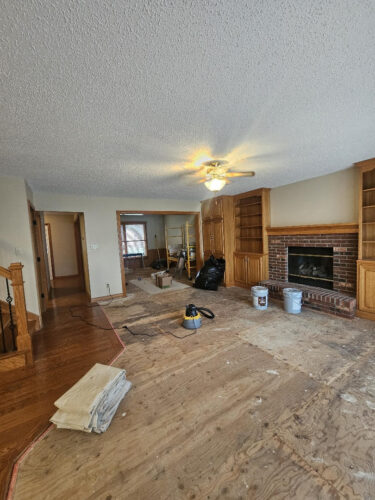
BRS Painting recently painted a client’s home in O’Fallon, Missouri’s Liberty subdivision. The client, a previous customer who had recently had us paint his villa, was ready to paint his home he had lived in for years. He asked, “Do I even need to paint?” Technically, he didn’t need to paint, but he had some drywall tape issues and water stains on his ceilings. I recommended painting the main and high-traff
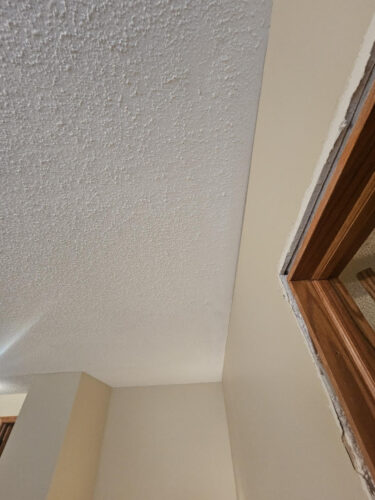
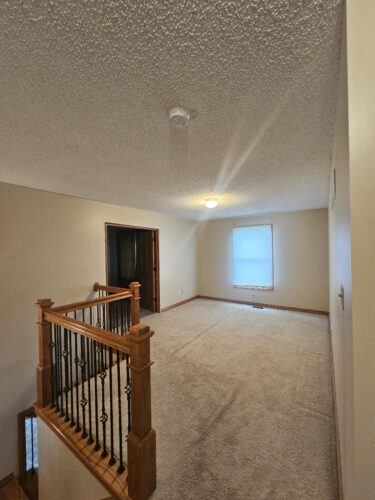
ic areas of his home. We painted the ceilings in his loft, stairwell, kitchen, living room, and laundry room. The walls in the kitchen, living room, foyer, stairwell, loft, and primary bedroom were painted. All the ceilings were painted with ProMar Ceiling paint, and the walls were painted with Duration Home, Satin. The color chosen was Kilim Beige SW6106. The crew did an excellent job, and he had an offer on the house within a week.
Painting is one of the most popular and cost-effective updates homeowners can consider when preparing a home for sale. It can significantlyenhance how a home appears to buyers, but it’s not always a guaranteed success. Here’s a balanced look at the pros and cons of painting your home (interior, exterior, or both) before putting it on the market.
Pros of Painting Before Listing
– Faster Sale and Higher Price: Neutral, modern colors appeal to a wider range of buyers, improve the home’s appearance for online listings, and convey that the property has been well-maintained. Many real estate experts believe that well-painted homes tend to sell more quickly and can fetch higher offers.
– High Return on Investment (ROI): Painting is relatively inexpensive compared to other upgrades. Interior painting can increase resale value by 1-5%, while exterior work often provides a 50-150% ROI (sometimes adding thousands to the final sale price for a few thousand dollars spent).
Covers flaws and depersonalizes the space. It conceals scuffs, marks, or outdated bold colors, making rooms appear brighter, larger, and neutral, allowing buyers to envision their own belongings there.
However, there are some drawbacks to painting before listing.
Firstly, it involves an upfront cost and significant time investment. Professional painting, which is recommended for the best results, can range from a few thousand dollars, depending on the size of the home. On the other hand, DIY painting requires considerable effort and disruption. It’s important to consider whether you’ll fully recoup the expense in every market.
Secondly, there’s no guaranteed payoff. In a hot seller’s market with low inventory, homes often sell quickly regardless of the condition of the paint. If your current paint is in good shape and neutral, the added value may be minimal.
Lastly, buyers may still choose to repaint anyway. Some purchasers prefer to select their own colors or plan major updates, so your investment might not have as much impact as you’d hope.
In general, painting before listing is a wise decision if your current paint is dated, damaged, or overly
personalized, especially for the interior in neutral tones and the exterior for strong curb appeal. It’s one of the most effective preparations you can make. However, it’s crucial to consult your real estate
agent first. They can assess your specific home, local market conditions, and determine whether the investment will be worthwhile in your situation. A quick refresh in key areas, such as the living room, kitchen, or front door, can sometimes provide most of the benefits without a full-house commitment.